
A coordinated and empowered network
A coordinated and empowered network of heritage custodians preserving Uganda's museums and monuments for future generations.
A private sector-driven, non-profit association established in 2025 under a constitution registered with the Uganda Registration Services Bureau.
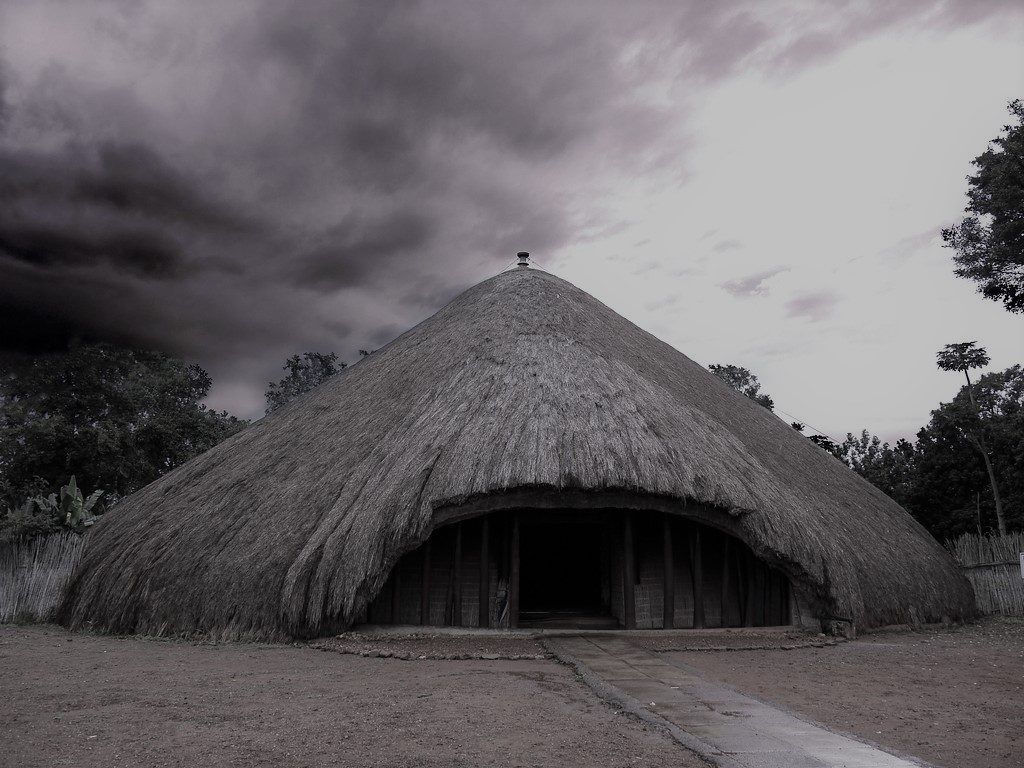
The custodians, conservators and owners of national heritage sites provide a vital public service, protecting and managing Uganda's cultural and natural heritage for future generations — often at significant personal cost and without state funding.
The Museums & Monuments Association of Uganda brings them together as a non-profit, non-political and non-sectarian association, governed by an Executive Board and supported by a Secretariat. We are committed to partnering with the Ministry of Tourism, Wildlife and Antiquities in the formulation of the Rules and Regulations that operationalise the Museums and Monuments Act, 2023.
A coordinated and empowered network of heritage custodians preserving Uganda's museums and monuments for future generations.
To unite and build the capacity of heritage custodians to protect, manage, and promote Uganda's cultural and natural heritage through collaboration with government, partners, and communities.
Under Article 18.1 of the Constitution, the founding members constitute the Interim Executive Committee until the first elective Annual General Meeting.
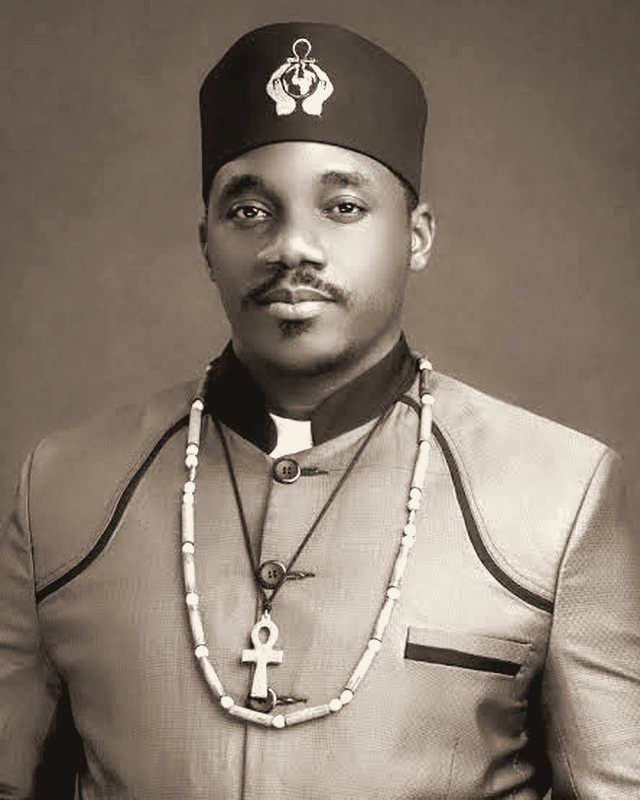
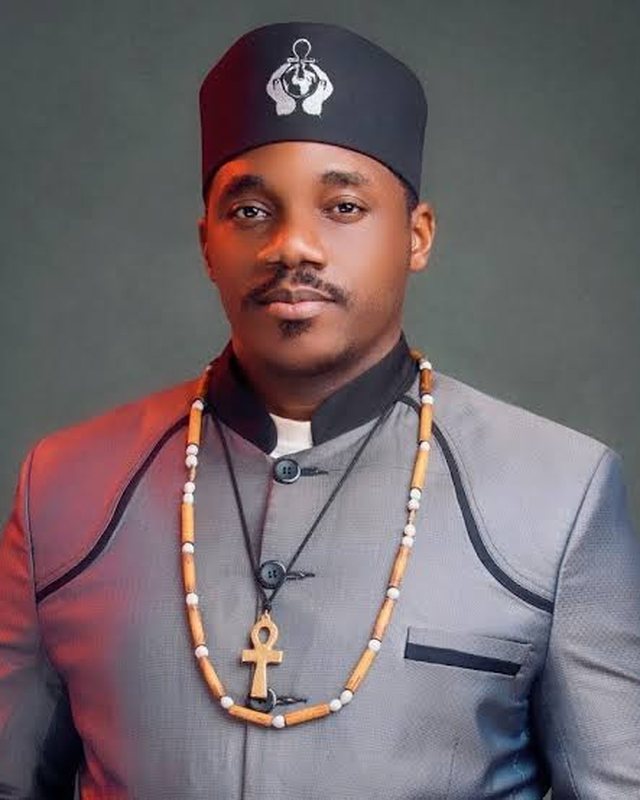
A professor at the University of Kigali, where he has served as Dean of the School of Education and of the School of Communication and Journalism. He was previously Academic Registrar of Kampala University, has authored some 50 scholarly works including seven books, and chairs the Board of Governors of Royal Open University.
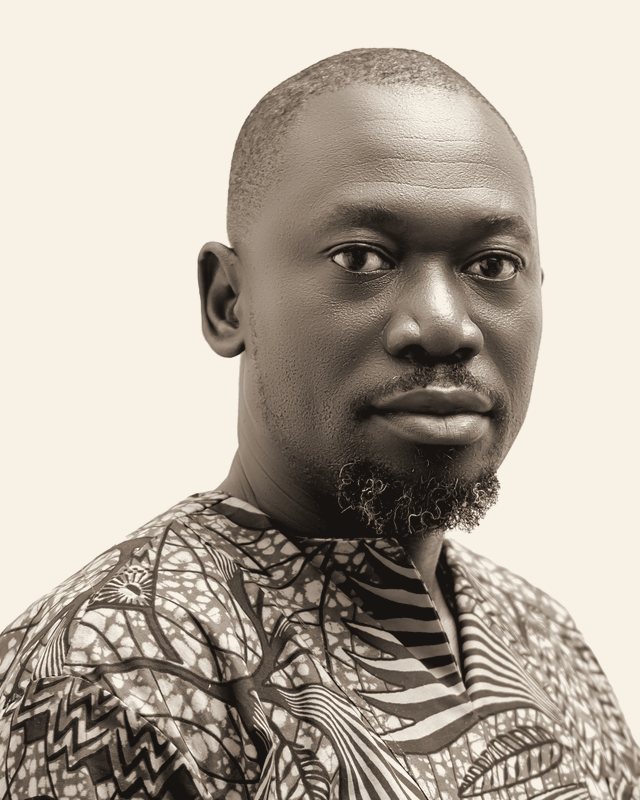

Deputy Executive Director of the Cross-Cultural Foundation of Uganda, he has worked extensively on community museums and heritage education, including published research on building the capacity of community museum managers in Uganda.


Founder and Vision Bearer of MMAU (Article 28). A director of Masindi Hotel — Uganda's oldest hotel, opened in 1923 and a recipient of the National Heritage Award in 2013 — she works where heritage, hospitality and tourism meet.
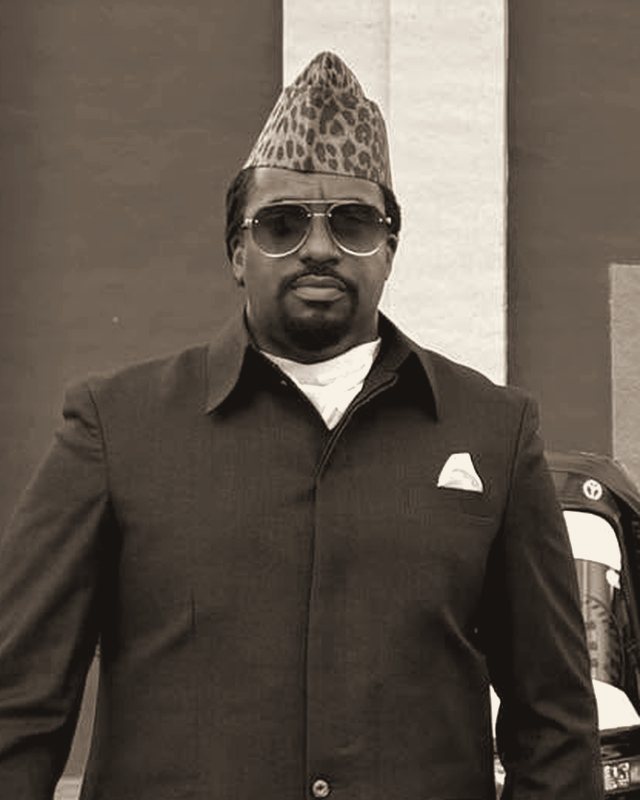
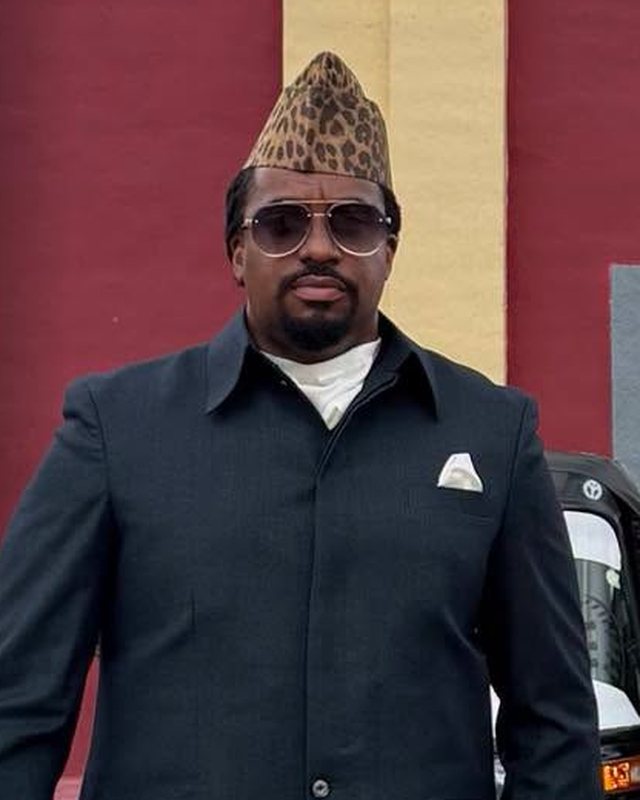
Known as Navio, he is one of Uganda's most celebrated hip hop artists, a co-founder of the pioneering group Klear Kut and a Pearl of Africa Music Awards winner. A communications graduate of Monash University, he champions Ugandan culture and destinations.
Article 6 of the Constitution establishes five organs of governance.
The first Annual General Meeting will be held within twelve months of the Constitution taking effect (Article 18.2). Placeholder · AGM date